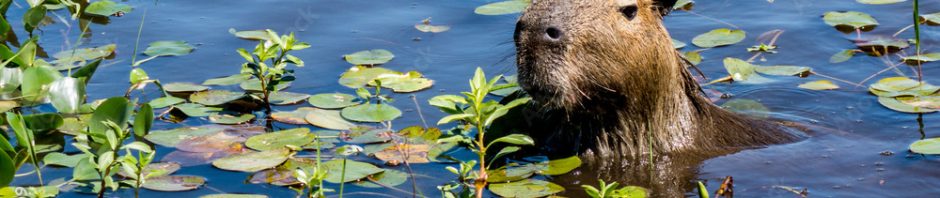
Argentina’s answer to a safari does not involve lions or a savanna — it unfolds across a vast, watery wilderness in the country’s northeast, where capybaras graze at the water’s edge, caimans bask in the sun, and the air is alive with birdsong. The Ibera Wetlands are one of the largest freshwater ecosystems on the planet and one of South America’s finest wildlife destinations, now made even more rewarding by a handful of exceptional eco-lodges. This guide explains what makes Ibera special, the wildlife you can expect, and how to experience it in genuine comfort and style.
By Carlos, Luxury Travel Designer at 01Argentina Travel Agency
Quick answer
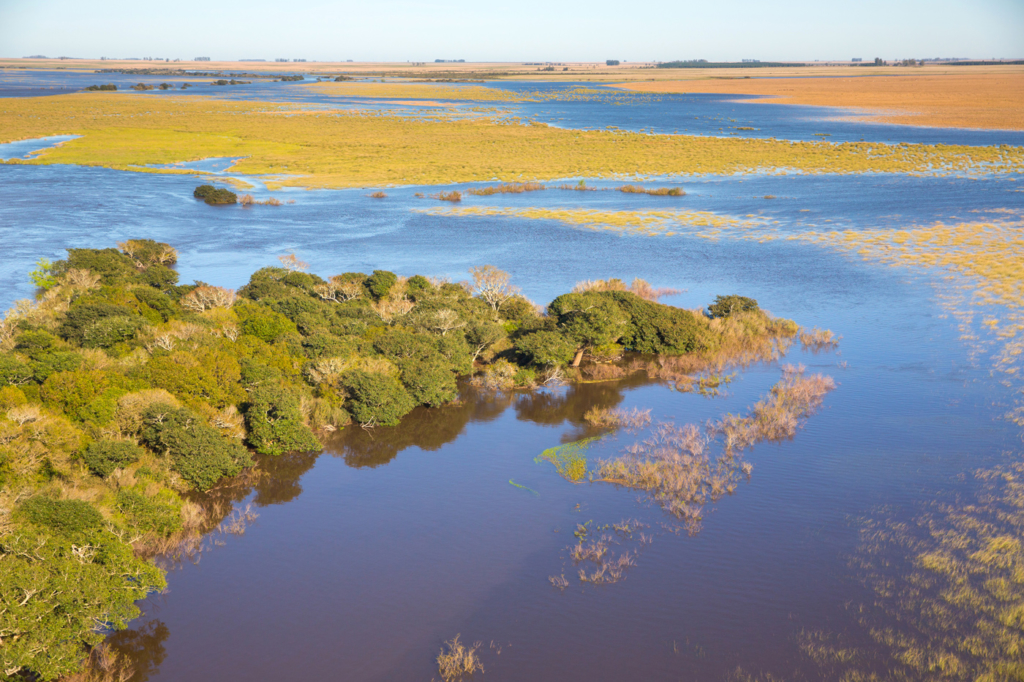
The Ibera Wetlands are a huge protected marshland in Corrientes province, teeming with capybaras, caimans, marsh deer, and hundreds of bird species. Boutique eco-lodges around Colonia Carlos Pellegrini offer boat safaris, night drives, and horseback excursions in comfort, making it Argentina’s premier wildlife destination and a natural pairing with Iguazu Falls.
What Are the Ibera Wetlands?
Ibera — from the Guarani for “shining water” — is a mosaic of lagoons, marshes, floating islands, and grasslands covering a vast area of Corrientes province. Protected as a national and provincial park, it is a conservation success story, home to an ambitious rewilding program that has reintroduced species such as the giant otter, the giant anteater, and even the jaguar. The result is a pristine, low-density wilderness where wildlife is remarkably approachable and the sense of untouched nature is profound.
The Wildlife You Will See
Ibera’s abundance is its great draw, and sightings come easily. On a typical visit you can expect:
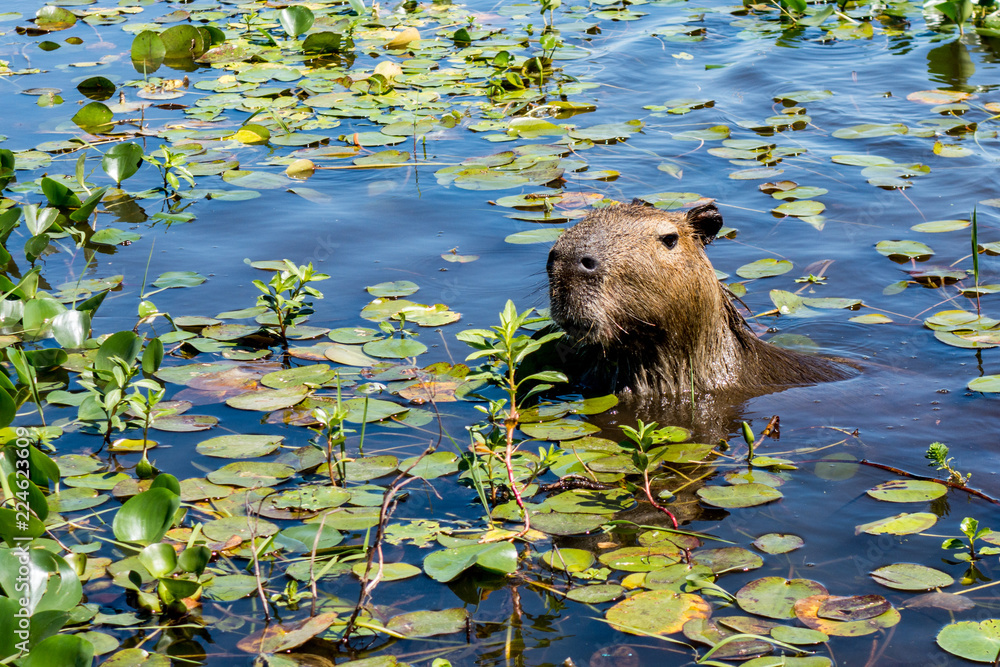
- Capybaras, the world’s largest rodents, grazing in relaxed family groups.
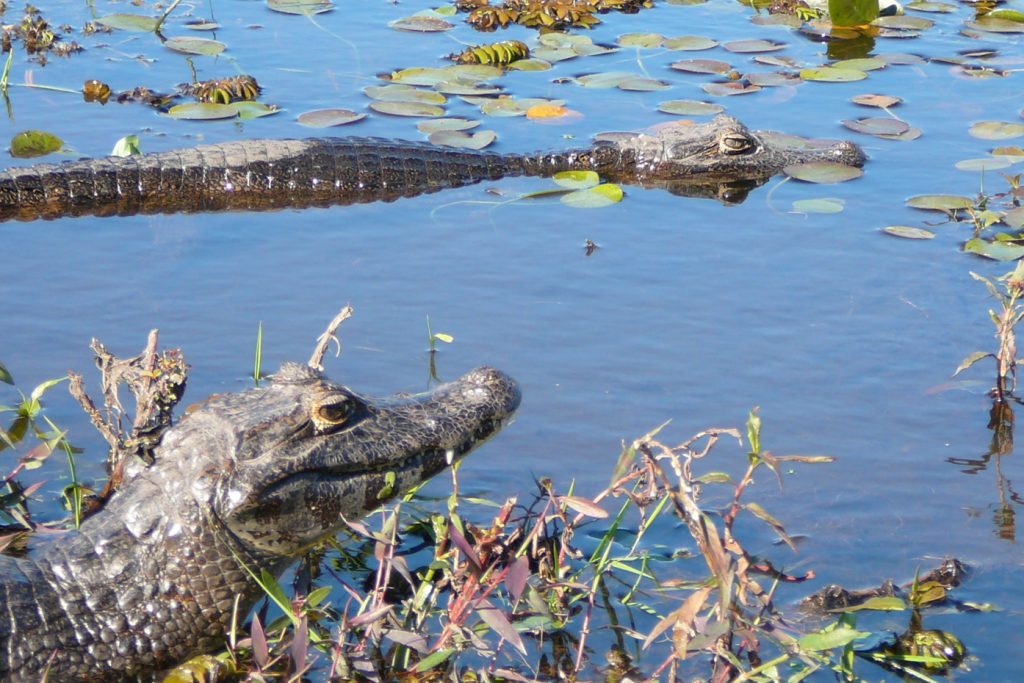
- Yacare caimans lining the banks and drifting in the shallows.
- Marsh deer, the largest deer in South America, wading through the reeds.
- An astonishing variety of birds, from roseate spoonbills and jabiru storks to kingfishers and raptors.
- With luck and the rewilding program, giant otters, anteaters, and other returning species.
Why Experience Ibera in Style
What makes Ibera so rewarding for the discerning traveler is the quality of its lodges. A small number of boutique properties around Colonia Carlos Pellegrini combine elegant, low-impact design with warm hospitality, gourmet regional cuisine, and expert naturalist guides. Staying at one means excellent food, comfortable rooms, and knowledgeable company, all in the heart of the wilderness. It is a place where sustainability and luxury align, and where the remoteness only adds to the sense of privilege.
What a Day Looks Like
Days in Ibera revolve around the wildlife and the light. An early boat safari glides through the lagoons as the marsh wakes, bringing you close to capybaras, caimans, and birds in the golden morning. Afternoons might feature a horseback ride across the grasslands, a guided walk, or a kayak through quiet channels. After dark, a night drive or boat trip reveals the wetland’s nocturnal side, with eyes shining in the torchlight. Between excursions, you return to your lodge for fine meals and rest — the rhythm of a true safari, in a distinctly Argentine setting.
How It Compares to an African Safari
Travelers who love African safaris find Ibera both familiar and refreshingly different. The rhythm — guided game drives and boat trips, expert trackers, comfortable lodges — will feel recognizable, but the cast of characters is entirely its own, dominated by water-loving mammals and spectacular birdlife rather than big cats and herds. It is also far less crowded, with a real sense of exclusivity. For a wildlife enthusiast, it offers a fresh, world-class experience without the well-trodden feel of the more famous safari circuits.
Getting There and When to Go
Ibera is reached via the towns of Posadas or Mercedes, with a scenic transfer to the lodges around Colonia Carlos Pellegrini; private arrangements make the journey smooth. The wetlands are rewarding year-round, but the cooler, drier months from roughly April to October are especially comfortable, with active wildlife and pleasant temperatures. The warmer months are lush and green but hotter and more humid. Whenever you go, wildlife viewing is excellent, thanks to the open landscape and abundant animals.
Combining Ibera with Iguazu
Ibera pairs beautifully with the nearby Iguazu Falls, and the two together make one of Argentina’s most rewarding nature journeys — the thunder of the falls followed by the serenity of the marshes. Both lie in the country’s subtropical northeast, so combining them is logical and easy to arrange, offering a rich contrast of raw spectacle and gentle wildlife immersion.
A Conservation Success Story
Part of what makes Ibera so special is the story behind it. Over recent decades, a landmark conservation effort has transformed former ranchland into one of South America’s great protected areas, buying up land, removing fences and cattle, and letting nature recover. The centerpiece is an ambitious rewilding program that has returned locally extinct species to the wetlands, from giant anteaters and pampas deer to the apex predator itself, the jaguar. Visiting Ibera means witnessing this recovery firsthand and supporting it through sustainable tourism. For travelers who care about where their money goes, few destinations offer such a direct, uplifting connection between a visit and a landscape on the mend.
Photographing the Wetlands
Ibera is a photographer’s dream, and a little preparation pays off. The soft light of early morning and late afternoon is the most flattering, and it happens to coincide with the boat safaris when wildlife is most active. A zoom lens helps for birds and shy mammals, though many animals here are remarkably relaxed and allow close approach from the water. Bring a dust- and splash-proof bag for the boat, spare batteries, and patience — the best moments, a jabiru taking flight or a family of capybaras at the shore, reward those who wait quietly. Your guide will know where the light and the animals align.
What to Bring
- Light, breathable clothing in neutral colors, plus a warm layer for cool mornings and night excursions.
- A wide-brimmed hat, sunglasses, sunscreen, and strong insect repellent.
- Binoculars and a camera with a zoom lens for wildlife.
- A reusable water bottle and comfortable, closed shoes for walks and horseback rides.
Frequently Asked Questions
What animals live in the Ibera Wetlands?
Capybaras, yacare caimans, marsh deer, and hundreds of bird species are the stars, with reintroduced giant otters, anteaters, and jaguars thanks to an ongoing rewilding program.
Is Ibera like an African safari?
The style is similar — guided boat and land excursions from comfortable lodges — but the wildlife is water-focused and the setting far less crowded, giving it a distinct, exclusive character.
When is the best time to visit Ibera?
The cooler, drier months from about April to October are the most comfortable and excellent for wildlife, though the wetlands reward visits year-round.
Plan Your Ibera Safari
For travelers who love wildlife and value comfort, the Ibera Wetlands are one of Argentina’s best-kept secrets — a pristine, exclusive safari in the shining water. With a fine lodge and expert guides arranged, you simply immerse yourself in the wild. For the dramatic contrast of ice and mountains, see our guide to luxury Patagonia.
Discover luxury Argentina tours with our local team at www.01argentina.travel — WhatsApp available for a fast response, typically within 24 hours.